Discussing Native education as a non-Native educator serving in predominantly Native schools without acknowledging our own outsider status is counterproductive. As non-Native leaders and educators, we often approach this work with good intentions but limited understanding. Some believe that learning about Native culture and history is enough.
They attend a few workshops, read a book or two, and then assume they’re equipped to lead. They often rely on statistics, assuming they tell the full story. However, the data reveal only surface-level issues. Beneath these figures lie trauma, colonization, and loss of cultural identity. These are critical pieces of the story, but not the whole story.
To believe so is a dangerous mindset. It’s superficial. It overlooks the deeper issues of colonization, trauma, and historical harm. It assumes cultural awareness alone can fix systemic problems.
Many of us want to help. We have good intentions, but those intentions don’t replace humility or self-awareness. Without recognizing our own positionality, our work risks doing more harm than good. The primary obstacle is silence. We often hesitate to admit our outsider status and confront uncomfortable truths. Avoiding these conversations prevents real progress.
Having worked with Native communities for years, I developed a framework emphasizing self-awareness and honesty. True allyship in Indigenous education requires moving beyond good intentions. It demands humility, listening deeply, and centering Indigenous voices, knowledge, and sovereignty.
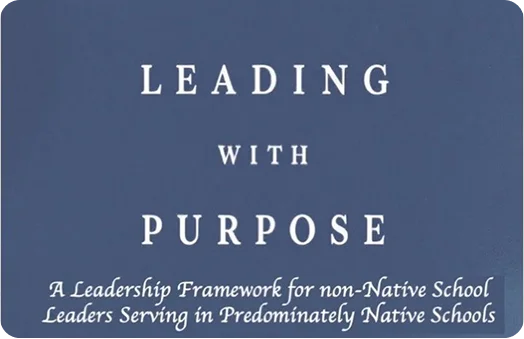
This aligns with four key pillars of my leadership framework for non-Native school leaders serving in predominantly Native spaces (Watkins, 2025)
Embracing Native Educational Sovereignty: Support tribal control over education systems.
Decolonizing Leadership Practices: Challenge colonial norms and power structures.
Prioritizing Indigenous Knowledge: Center Indigenous worldviews, languages, and expertise.
Culturally Affirming Leadership Practices: Celebrate and sustain Indigenous identities.
The reality is straightforward: without creating spaces for open, honest dialogue rooted in trust and vulnerability, transformation will remain elusive. We cannot continue to avoid confronting these issues. Native students deserve leaders who are willing to face difficult truths, accept their role in the process, and proceed with unwavering courage.
Leading in Indigenous education is a lifelong journey. It’s about walking alongside communities, listening, learning, and supporting their sovereignty. The most powerful legacy isn’t what you build, but how you empower Indigenous communities to lead and thrive on their own terms.
Order your copy today
https://lnkd.in/gR6qVVij