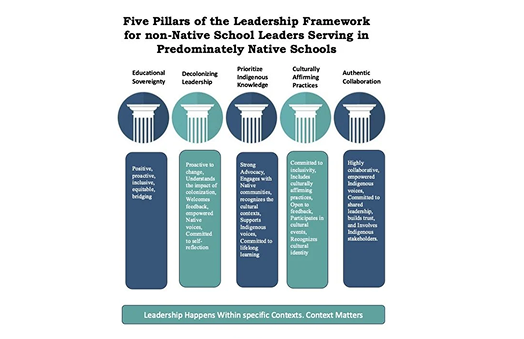
n the realm of education, particularly in predominantly Native schools, the concept of contexts is paramount. It refers to the circumstances, environment, and cultural dynamics that shape the experiences and interactions of individuals within that setting. For non-Native school leaders operating in these unique educational spaces, understanding context is not merely beneficial; it is essential for effective leadership and fostering an inclusive, supportive learning environment.
Defining Context in Educational Spaces
Context, in the framework of educational leadership, embodies the myriad factors that influence how teaching and learning occur. In predominantly Native schools, this includes cultural values, historical experiences, community expectations, and the specific needs of Native students and families. Non-Native leaders must recognize that their traditional approaches may not seamlessly translate into these environments, as the cultural richness and diverse experiences of Native communities require a tailored approach to leadership.
Context as a Moving Target
One of the most critical aspects of context is its fluidity. Context is a moving target, meaning it can change based on various situational factors, including shifts in community dynamics, educational policies, and even the evolving needs of students. For non-Native leaders, this variability underscores the importance of adaptability and continuous learning. A strategy that worked last year may not be effective today, and leaders must be prepared to reassess their approaches regularly. This understanding is particularly vital in Native spaces, where a one-size-fits-all approach can lead to significant misunderstandings and missteps. Each Native community has its unique traditions, languages, and expectations that influence the educational experience. Employing a standardized method disregards the individuality of each community and can alienate students, families, and staff.
The Dangers of a One-Size-Fits-All Approach
The dangers of a one-size-fits-all approach in predominantly Native schools are profound. When non-Native leaders impose generic practices without considering the specific context of the community, they risk:
- Cultural Disconnect: Ignoring the cultural backgrounds of Native students can create an atmosphere of exclusion, leading to disengagement and lower academic performance.
- Loss of Trust: Communities may perceive non-Native leaders as outsiders who do not understand or respect their values, leading to a breakdown in relationships and collaboration.
- Ineffective Leadership: Without a deep understanding of the context, leadership decisions may be misguided, resulting in programs and policies that do not meet the needs of students and families.
- Stagnation of Growth: Schools may struggle to innovate or improve if leaders are not attuned to the ever-evolving context of their communities.
Reflective Questions for Leaders
To foster a deeper understanding of context as it relates to leading educational organizations, particularly in predominantly Native schools, consider the following reflective questions:
- How do my cultural experiences shape my understanding of the Native communities I serve?
- What strategies can I implement to engage with community members and learn about their unique cultural context?
- In what ways can I adapt my leadership approach to be more responsive to the changing dynamics within predominantly Native schools?
- How can I ensure that my decisions reflect the values and needs of the Native students and families in my school?
- What measures can I put in place to continuously assess and integrate the context of my educational environment into my leadership practices?
In conclusion, understanding context is not merely an academic exercise; it is a vital component of effective leadership in predominantly Native educational spaces. Non-Native leaders must commit to continuous learning and adaptability to create inclusive environments that honor the rich cultural heritage of their students and communities.